Oct 1, 2025
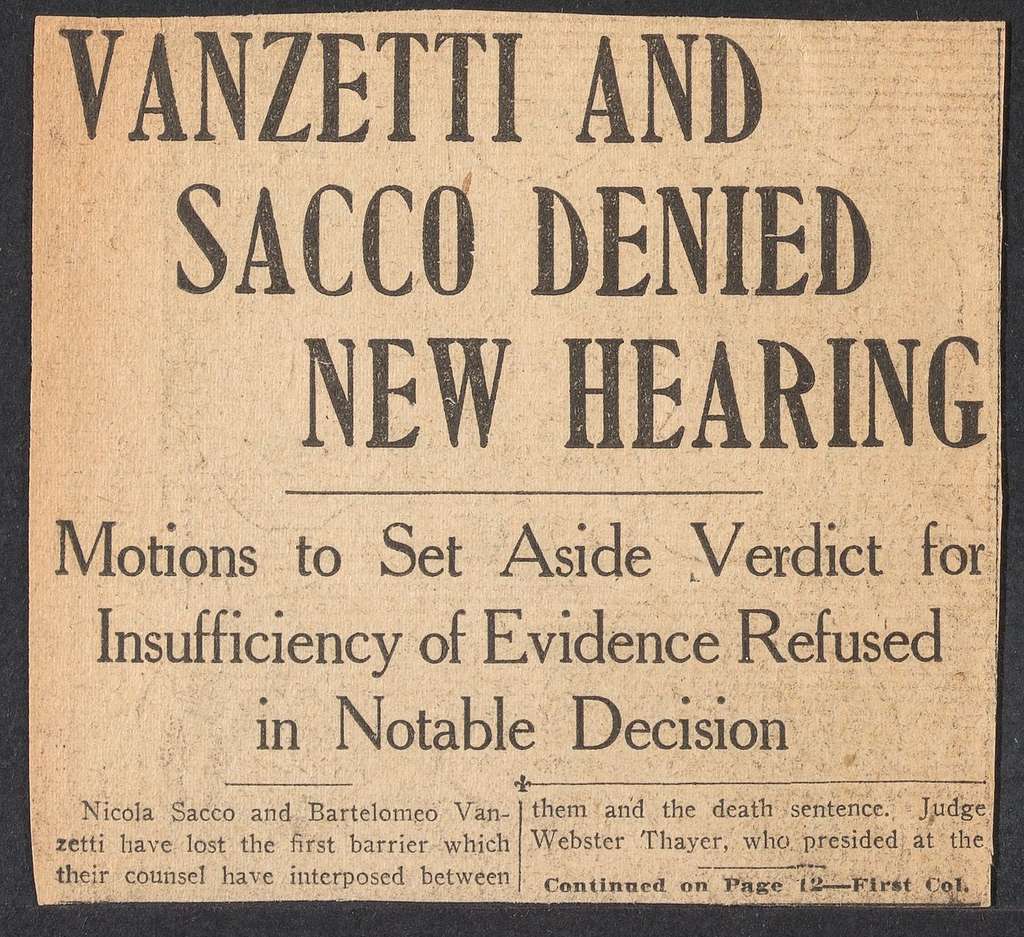
In 1920, during a period of post–World War I anti-immigrant and anti-radical sentiment, two Italian immigrants were charged with the robbery and murders of a guard and paymaster at a Braintree shoe factory. The trial opened at Norfolk County Courthouse in Dedham on May 31, 1921, ultimately becoming known worldwide as the Sacco and Vanzetti trial with Nicola Sacco and Bartolomeo Vanzetti. After years of appeals and international protests, they were executed in 1927.
At the time, Elisha Cohoon, M.D., was serving as head physician and superintendent of Medfield State Hospital (MSH). Originally from Nova Scotia, Cohoon had held positions at other state hospitals before coming to Medfield in 1917. Census records and his obituary confirm he lived in town with his wife, Margaret, until his death in 1931.
Cohoon’s Judicial Connections
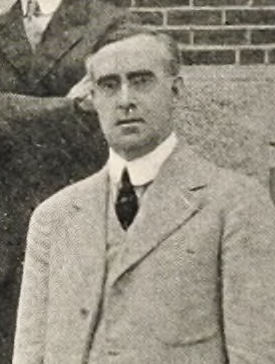
In 1918, Cohoon’s name first appeared in federal records in Shapley v. Cohoon. His role there was procedural: as MSH superintendent, he was the legal custodian of a woman contesting her confinement. In such petitions, the hospital officer becomes the “face” of the Commonwealth, standing in for state authority. Though routine, the case linked Cohoon with the judicial system in matters of mental health.
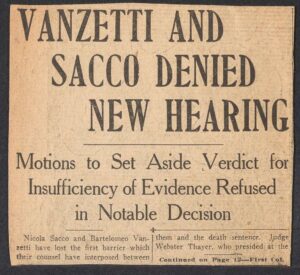
That connection took on new weight in 1923, when Cohoon was called into the Sacco and Vanzetti case. District Attorney Harold Williams engaged him as one of several mental health experts asked to evaluate Sacco, who had begun a hunger strike while jailed in Dedham. Sacco refused food for more than a month before being transferred to Boston Psychopathic Hospital.
Judge Webster Thayer hired Cohoon and other superintendents to observe and interview Sacco, then testify about his mental state. They were asked whether Sacco suffered from “prison psychosis,” whether he was suicidal or a flight risk, and whether he might recover from his alleged mental illness.
Cohoon at times believed Medfield could manage Sacco, while others argued for Bridgewater State Hospital, which was designed to house “insane prisoners and criminals.” But questions of jurisdiction complicated matters — could the court order Sacco to Bridgewater, or was that authority reserved for the State Board of Insanity?
Cohoon does not appear to have examined Vanzetti. Other physicians took on that role, while Sacco and Vanzetti themselves brought in their own doctors, including Italian physician, Dr. De Amazago, who rejected the labels of insanity or paranoia freely used by American doctors.
Cohoon’s role didn’t end with Sacco. In 1926, after fellow prisoner Celestino Madeiros confessed to the Braintree murders, Cohoon was then called to evaluate Madeiros at the Norfolk County House of Correction and expressed no doubts about his sanity in a written statement. However, even after new investigations raised the possibility that organized gangs were behind the crime, and Sacco and Vanzetti could be innocent, Judge Thayer refused to reopen the case.
 A Superintendent Under Strain
John Thompson, longtime caretaker of the Medfield State Hospital grounds and historian of the site, notes that Cohoon’s tenure came at a difficult moment.
“Staff were hard to find and maintain. After 30 years of operation, the buildings and grounds were in need of many repairs. Some patients were committed to Medfield State Hospital when they should have gone directly to Bridgewater. Patient overcrowding was also an ongoing issue,” he said.
He added, quoting Francis de Marneffe of McLean Hospital: “Society always allows the pendulum to swing too far in one direction before reacting. There aren’t enough facilities left to improve the situation with mental health.” Thompson wondered whether such thinking influenced the Sacco and Vanzetti case: “Why save men like them if there are already too many criminals? Could the ultimate outcome of the trial that took two lives have served as a statement in that regard?”
Aftermath
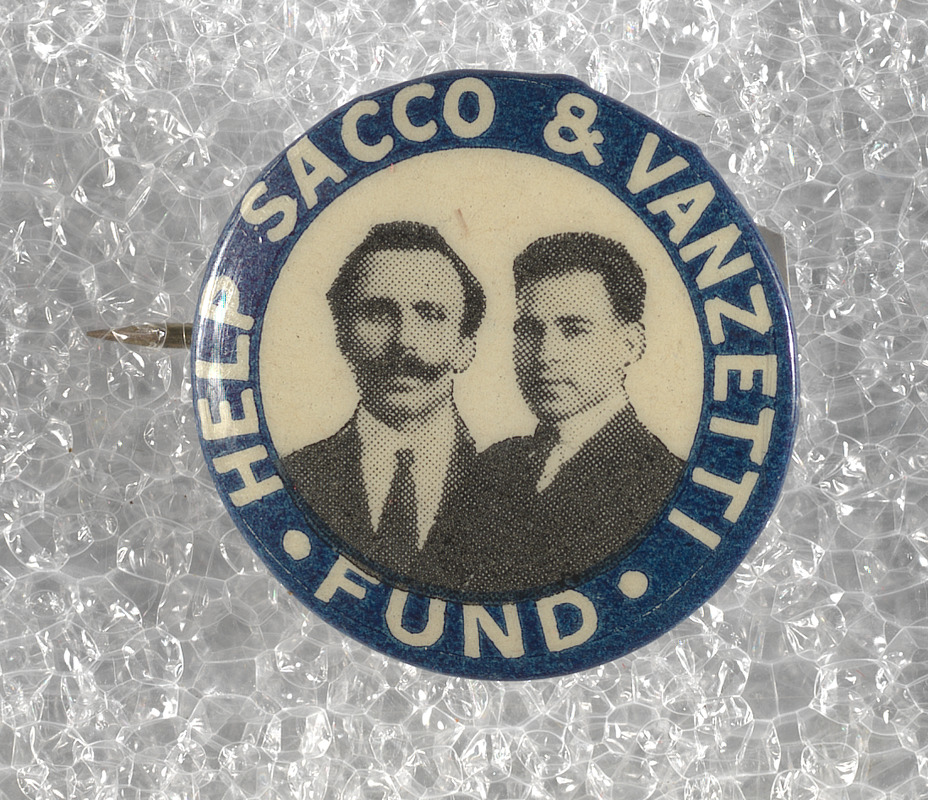 On July 21, 1931, just four years after Sacco and Vanzetti’s executions, Cohoon died at age 57. Decades later, on August 23, 1977 — the 50th anniversary of the executions — Governor Michael Dukakis declared that Sacco and Vanzetti had been unfairly tried and convicted, and that “any disgrace should be forever removed from their names.” Still, no pardon was issued.
The Sacco and Vanzetti case remains a symbol of prejudice and injustice in American legal history. Locally, it also marks the moment when Medfield State Hospital personnel were drawn into one of the most controversial trials of the 20th century — an episode showing how even a small-town hospital superintendent could find himself unexpectedly entangled in history.
(Timely note: October 10 is World Mental Health Day. October is also National Italian American Heritage Month honoring the significant cultural, historical and economic contributions of Italian immigrants and their descendants — of which many have shaped Medfield history.)
Sources & Resources
A search on digitalcommonwealth.org using “Elisha Cohoon” will generate numerous documents related to the Sacco and Vanzetti trial.
NY Times, Elisha H Cohoon Dead
Sacco and Vanzetti Proclamation