July 15, 2025
Imagine a local park with all these amenities: a pavilion, fountain and pool, separate lawns for picnicking and flowers, pergola, bowling green, multiple track facilities, plus tennis courts, and football and baseball fields. That is what “The New Athletic Field and Grange Park” on Pleasant Street would have looked like if the July 19, 1916 initial plan created by Massachusetts Agricultural College had become a reality.
The recreational park concept, laid out in a blueprint now in the Medfield Historical Society collection (Doc w all Grange Park pics), was sponsored by the Medfield Grange Hall Association. The association, founded in 1886, played a vital role in the community, especially in the late 19th and early 20th centuries.
The Grange promoted agricultural interests when farming was central to the town’s economy, and helped to organize many of Medfield’s civic and social events. For decades, the Grange was intertwined with the town’s development, including the establishment of the Medfield Insane Asylum in 1892, which later became Medfield State Hospital (MSH).
The Grange Hall meeting space became a year-round gathering spot—first at its original Park Street location, and later, starting in the summer of 1912, on six acres along Pleasant Street.
After the ambitious 1916 plan was scrapped, the association limited development to a baseball field and racetrack adjacent to the relocated hall. Despite the scaled-back development, the Grange site became a popular destination for baseball games, racing and other summer pastimes.
August was an especially busy month for the Grange. Each year, it hosted a “Field Day” packed with events: baseball and track competitions, public speakers, a community dinner, music and dancing. The gathering was typically organized in partnership with about ten area associations under the Norfolk Pomona Grange, of which Medfield was a member. Early Field Days took place on MSH grounds before relocating to the Pleasant Street property.
Each year the event offered unique programming. In 1915, for example, The Boston Globe reported that Eugene R. Kelley of the State Board of Health addressed the crowd on “Health on the Farm,” while Wilfred Wheeler, the state’s Secretary of Agriculture, spoke about agricultural development—both with the backdrop of MSH farm fields off Hospital Road. (In 1914, the hot topic was: “The House Fly and Mosquito and How to Exterminate Them.”)
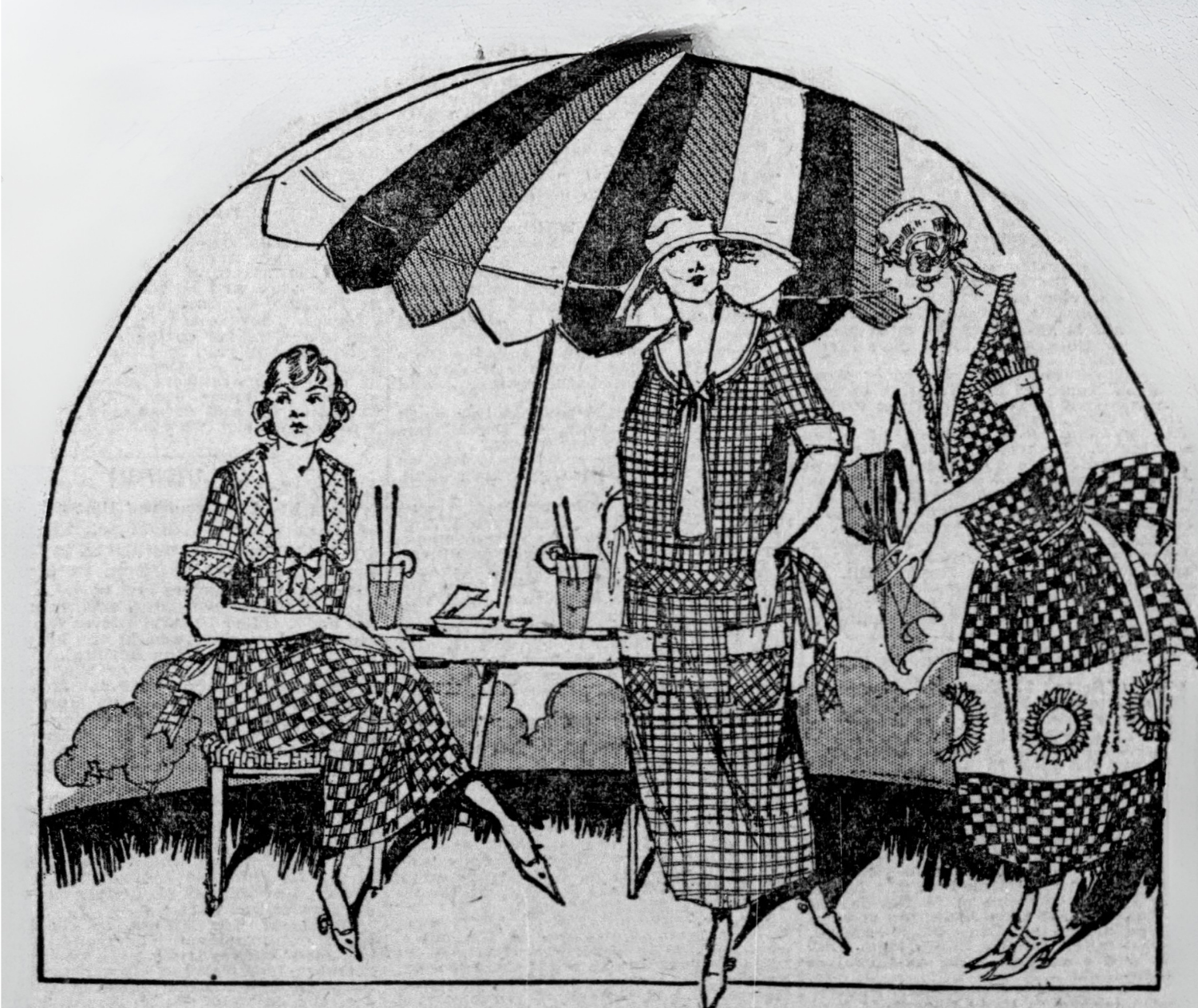
But Field Day was also a major social event. In 1923, no doubt with Medfield ladies in their festive summer frocks, Mrs. George Bullard coordinated the dinner and dancing that followed a day of outdoor games. By 1936, Field Day had evolved into a summer “outing and clambake,” with the Globe reporting on a concert by the “Plainville Hillbillies,” in addition to a festive dinner, evening dancing, and the chance to play “whist,” a popular card game.
While August brought Grange Field Day festivities, association leaders also used the month to prepare for the even-larger September fair. That event included a parade, agricultural contests for flowers, livestock, baked goods and produce, and evening activities that drew as many as 1,200 people. Medfield schools, stores and factories closed for the midweek celebration, and the post office followed a holiday schedule.
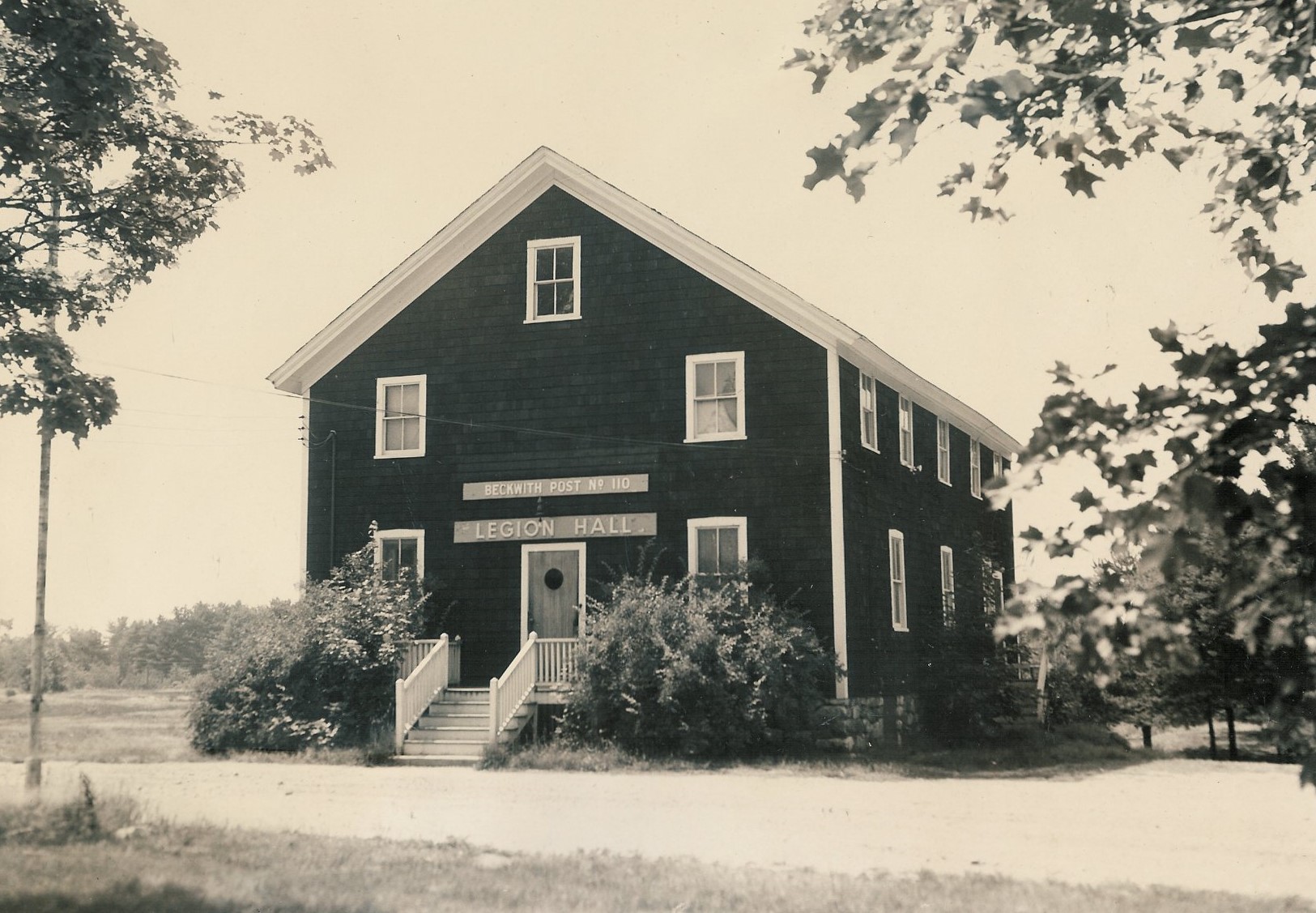
Over time, Grange Hall became the American Legion building, and Grange Field became Metacomet Park. The hall was destroyed by arson in 1969, and Medfield Condominiums were later built on the site.
Especially at a time when Medfield is seeking a new location for a Parks & Recreation facility, the 109-year-old Grange blueprint serves as a striking reminder of what could have been, and how differently the Pleasant Street area might appear today had the plan proceeded.
(Sources: The Boston Globe Archives, Medfield Patch article by Town Historian Richard DeSorgher.